Hunger
What are the highest leverage things we can do to help the people around the world have enough to eat?
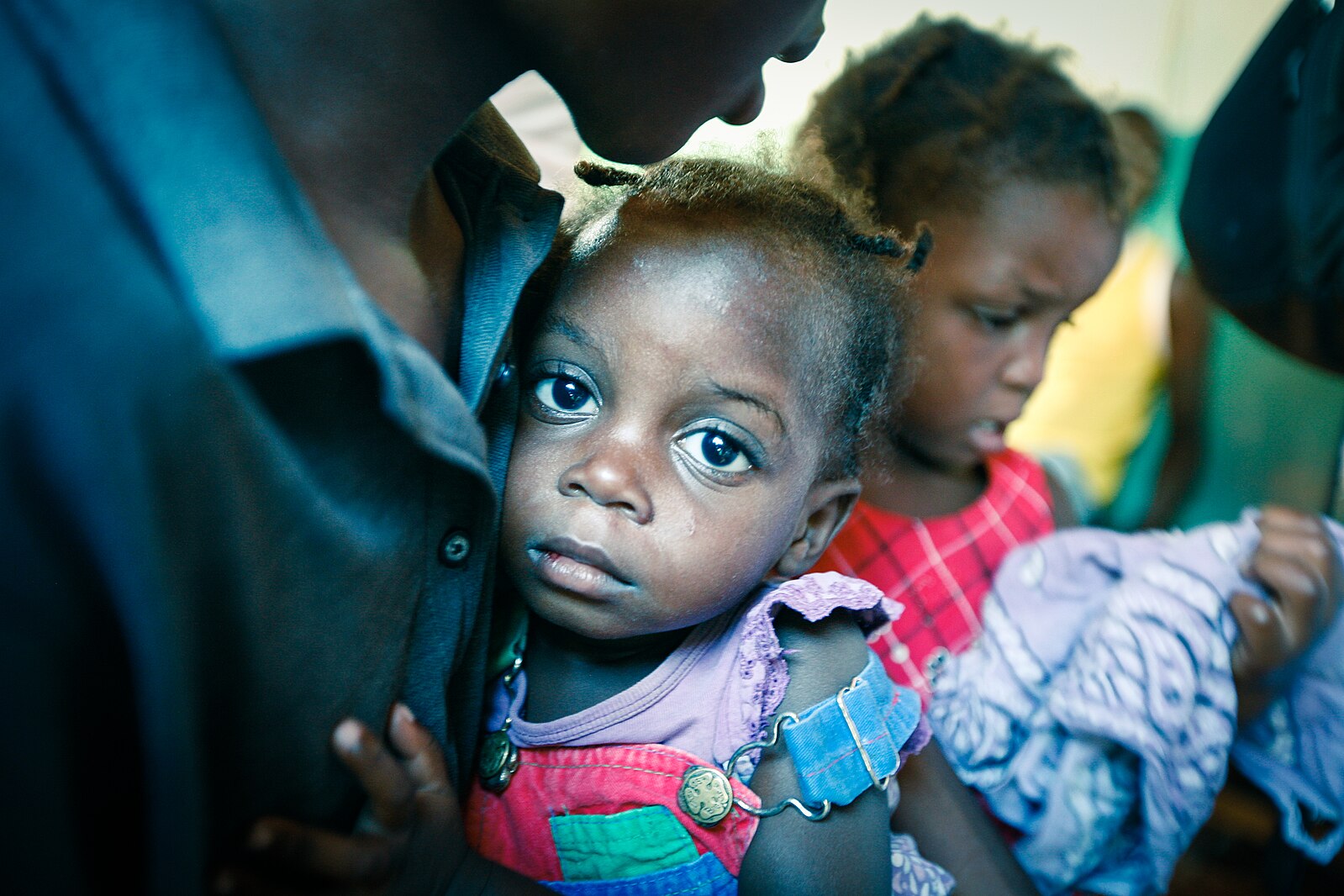
Today, roughly 733 million people – about 1 in 11 worldwide – faced chronic undernourishment in 2023 [1]. Hunger and malnutrition hit children especially hard: over 150 million children suffer stunted growth from malnutrition, and roughly 9 million deaths each year are linked to hunger and malnutrition, with a third of these being young children [2][3]. The crisis persists despite the world producing enough food to feed everyone [4]. The main bottleneck is not food availability but access: millions cannot afford food due to poverty, conflicts and climate disasters disrupt supply chains, and broken food systems waste nearly one-fifth of global food production before it can be consumed [4]. Low income families in developing countries often spend 50–70% of their income on food, meaning even small price increases or income drops push them into hunger [5]. At its core, poverty is the dominant bottleneck – people lack secure access to food even when it exists nearby [5].
There are a number of promising approaches being explored to help:
1. Strengthening food production and distribution systems to boost supply and reduce waste. This approach increases food availability through better farming methods and prevents the massive losses between farm and table. Some innovations being developed here are:
(A) Climate-smart crop varieties that withstand droughts and floods. Drought-tolerant maize varieties in Uganda boosted yields by 15% and reduced crop failure risk by 30% under drought conditions [8]. In sub-Saharan Africa, where over 70% of people in extreme poverty work in agriculture, raising productivity is one of the most powerful ways to reduce both hunger and poverty [9].
(B) Hermetic storage bags (big, airtight storage bags that hold 150lb+ of food) that prevent post-harvest losses. Farmers in Sudan traditionally lose 30–40% of their sorghum harvest to weevils and mold. Using $2 hermetic storage bags, post-harvest losses plummeted to almost zero – even grain that was initially infested came out clean months later [10].
(C) Cold chain solutions and logistics platforms. In Kenya, solar-powered walk-in cold rooms prevent vegetable and milk spoilage in the heat [11]. In Uganda, nano-technology sachets (airtight, antimicrobial covered containers) added to fruit crates extend shelf life by up to 33 days [11]. Digital platforms connect farmers to urban buyers, cutting out middlemen and reducing the chance food languishes unsold.
(D) Precision agriculture guidance via mobile apps. Programs teaching farmers to use precise amounts of fertilizer and water through SMS advice have raised yields while conserving resources across Asia and Africa [11].
2. Improving sanitation and reducing food waste to keep food systems efficient and safe. These interventions prevent contamination and rescue food that would otherwise be wasted. Some innovations being developed here are:
(A) Community-Led Total Sanitation to prevent food and water contamination. Currently, 3.4 billion people lack safely managed sanitation and about 354 million still practice open defecation, leading to contamination of food and water sources [12]. Large-scale campaigns in Bangladesh and Indonesia have significantly reduced open defecation, with one trial in rural Mali reducing it by 37% [4].
(B) Food waste reduction initiatives targeting the nearly one-fifth of global food lost. The world loses nearly one-fifth of food produced – about one billion meals daily [4]. Simply halving this loss would go a long way to ending hunger [4]. Innovations like Sanergy in Nairobi collect waste and convert it to fertilizer and fuel, while the Gates Foundation is piloting waterless, self-contained toilets that could prevent sewage from polluting food and water systems.
(C) Improved farm-to-market infrastructure. Governments and agencies are investing in roads, bridges, and marketplaces, recognizing that bumper harvests mean little if farmers cannot transport goods to consumers [4].
3. Literally giving people that could otherwise not afford it money, has empirically helped. These programs tackle hunger at its root cause by giving families the purchasing power to buy food. Cash transfer programs that provide direct money to those in need. In rural Kenya, households receiving roughly $500 in unconditional cash transfers skipped 27% fewer meals and increased protein consumption [6]. In Uganda, a $1,000 one-time grant resulted in 46% fewer skipped meals for children and a 42% drop in adults going hungry [6]. During Yemen's civil war, emergency cash transfers offset about half of the conflict's negative impact on child malnutrition, with households using cash to increase food purchases by 17% and cutting acute child malnutrition by 10 percentage points [7].
Work Cited
[1] World Health Organization. Hunger Numbers Stubbornly High for Three Consecutive Years as Global Crises Deepen – UN Report. 24 July 2024, www.who.int/news/item/24-07-2024-hunger-numbers-stubbornly-high-for-three-consecutive-years-as-global-crises-deepen--un-report.
[2] Concern Worldwide. Global Hunger: Facts, FAQs, and How to Help. Concern USA, www.concernusa.org/news/world-hunger-facts/.
[3] World Bank. Nutrition Overview. World Bank Group, www.worldbank.org/en/topic/nutrition/overview.
[4] World Food Programme. 5 Facts About Food Waste and Hunger. WFP, www.wfp.org/stories/5-facts-about-food-waste-and-hunger.
[5] World Economic Forum. The World Produces Enough Food to Feed Everyone—So Why Do People Go Hungry? July 2016, www.weforum.org/stories/2016/07/the-world-produces-enough-food-to-feed-everyone-so-why-do-people-go-hungry/.
[6] UK Parliament, International Development Committee. Cash Transfers: Written Evidence. UK Parliament, committees.parliament.uk/writtenevidence/128584/pdf/.
[7] Roodman, David, et al. Cash Transfers Can Help Yemen’s Conflict-Affected Children. International Food Policy Research Institute, 2020, www.ifpri.org/blog/cash-transfers-can-help-yemens-conflict-affected-children/.
[8] Fisher, Monica, et al. “Adoption and Impact of Drought-Tolerant Maize in Sub-Saharan Africa.” Proceedings of the National Academy of Sciences, vol. 112, no. 7, 2015, pp. 1918–1923. PubMed Central, pmc.ncbi.nlm.nih.gov/articles/PMC6894317/.
[9] Nin-Pratt, Alejandro, et al. Why Are Yields in Sub-Saharan Africa So Low? World Bank, 2011, documents.worldbank.org/en/publication/documents-reports/documentdetail/593741468009799254.
[10] Food and Agriculture Organization of the United Nations. Slashing Food Loss Before It Starts. FAO, 2019, www.fao.org/3/ca6030en/ca6030en.pdf.
[11] Kofi Annan Foundation. Meet the Nine Innovations Blazing a Trail for Zero Hunger in Africa. Kofi Annan Foundation, www.kofiannanfoundation.org/news/meet-the-nine-innovations-blazing-a-trail-for-zero-hunger-in-africa/.
[12] World Health Organization. Progress on Household Drinking Water, Sanitation and Hygiene. WHO, www.who.int/data/gho/data/themes/topics/topic-details/GHO/levels-of-safely-managed-sanitation.